

About Childhood Cancer
What is childhood cancer?

400,000+
New cases annually (WHO).
What is childhood cancer?
Childhood cancer is a disease that starts in the body’s cells, the tiny building blocks that make up all organs and tissues. Normally, cells grow and divide in a controlled way, but cancer develops when certain cells start to grow and multiply uncontrollably.
Childhood cancers are quite different from cancers affecting adults. Cure rates for most childhood cancers are much higher than those for most adult cancers.
Common types of childhood cancer
The information shared here comes from the experiences of families and survivors who have walked this path before you. It is not a substitute for medical advice, and every child's diagnosis, treatment, and journey is unique. Your medical team is always the best source of information about your child's specific situation — please do ask them your questions, however big or small. With that in mind, the following are some of the types of childhood cancer that families in our community have experienced:

Leukemia
When cancer affects the blood, it is called Leukaemia. It occurs when one of the types of blood cells changes into a cancerous cell. These abnormal cells divide and multiply in number but do not form a lump or tumour. Instead, the abnormal cells take over the bone marrow and spread via the bloodstream into the lymph glands, spleen and body.

Brain tumors
There are many different forms of brain tumours. A few are benign (non-cancerous), and others are malignant (cancerous). The majority of brain tumours in children are malignant. Brain tumours do not usually spread throughout the body but can spread within the brain and spinal cord.

Lymphoma
Tumours that start in the lymph glands are called lymphomas. The body's lymphatic system is made up of a collection of lymph nodes, each the size of a pea. These nodes are connected by lymphatic vessels (similar to veins) which circulate fluid and cells. The main function of the lymphatic system is to control infections in the body.

Embryonal tumors
Embryonal tumours are a type of cancer that develops from cells left over from foetal development, specifically in the central nervous system. They are typically found in babies and young children, and the most common type is medulloblastoma.

Sarcoma
Sarcoma is a rare type of cancer that develops in the body's connective tissues, which include bone, muscle, fat, nerves, blood vessels, and cartilage. It is categorised into two main types: bone sarcoma (originating in bone) and soft tissue sarcoma (originating in soft tissues, like muscle or fat).
Early warning signs
If you ever notice any changes in your child's health or behaviour that concern you, always trust your instincts and speak to your doctor. The signs listed below are not a medical diagnosis, and many of them can be caused by other, less serious conditions — but they are worth knowing, and any concerns should always be checked by a medical professional or specialist.
Some changes that parents have noticed and that are worth bringing to a doctor's attention include:

White reflex or white spot in the eye
Lumps, bumps or masses
Unexplained fever, tiredness, easy bleeding
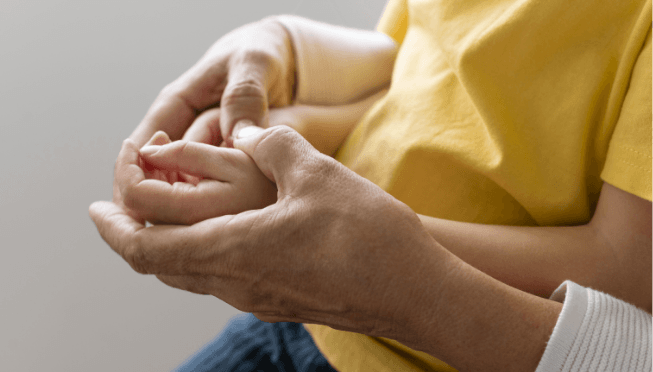
Easy fractures
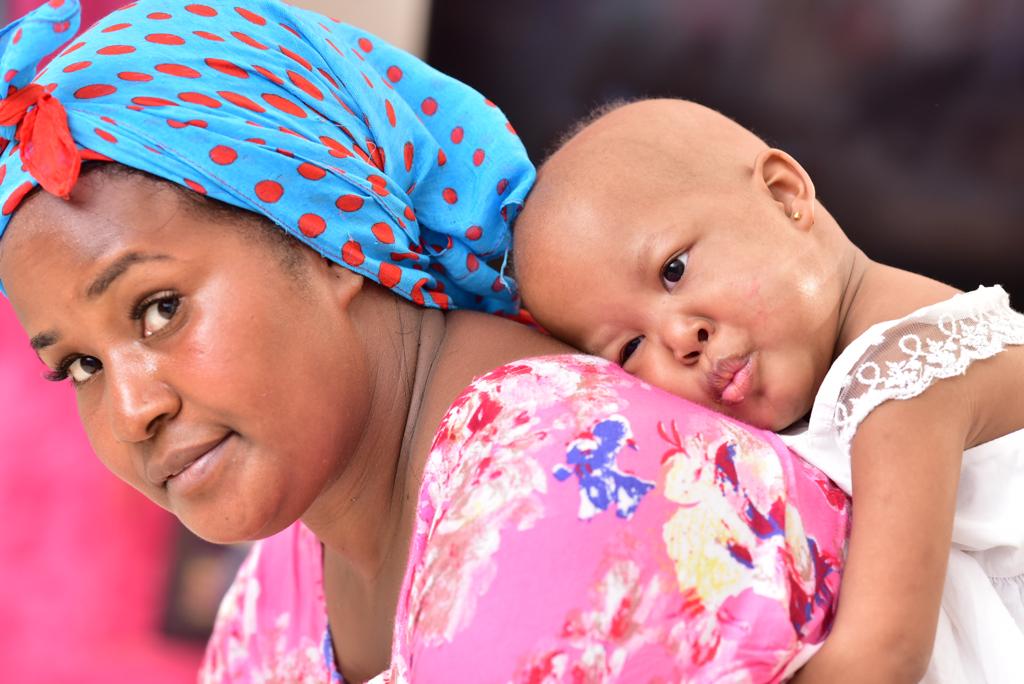
Headaches
Preparing yourself for treatment
Types of treatment
Preparing yourself for treatment
Types of treatment
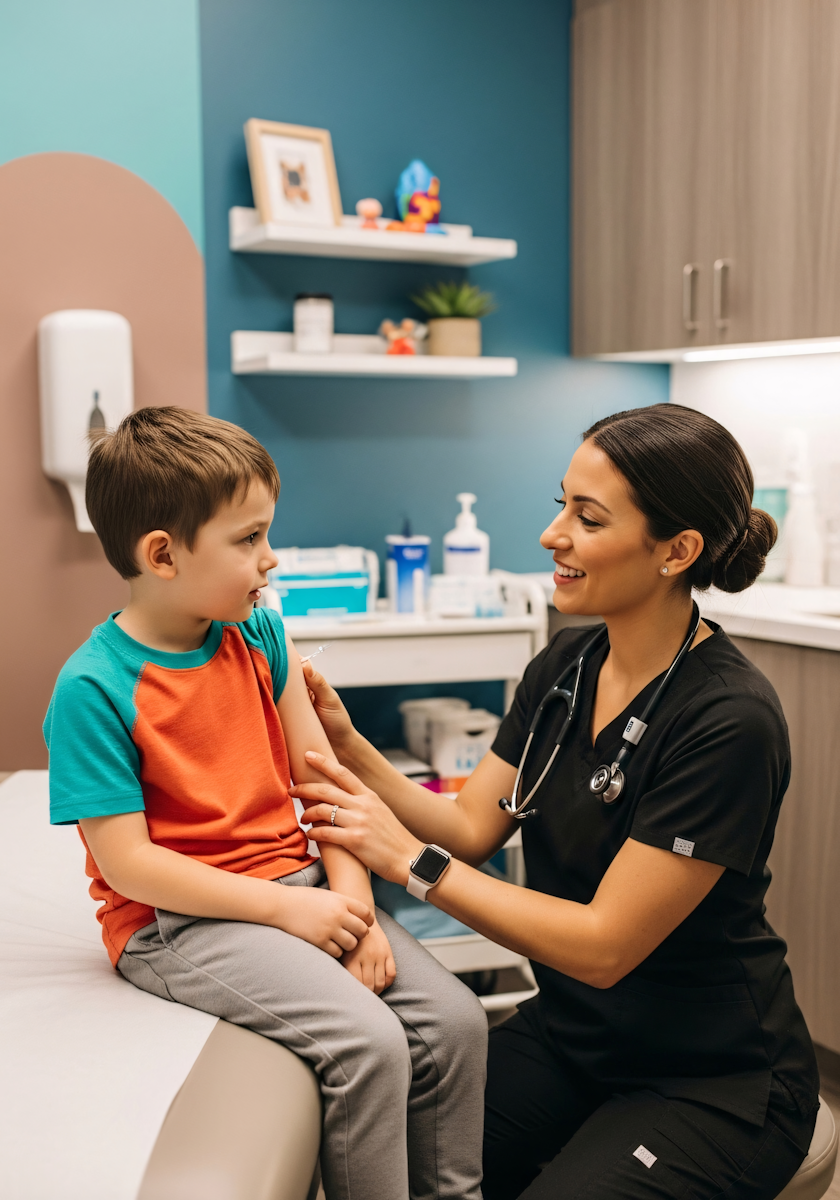
Surgery

Radiotherapy
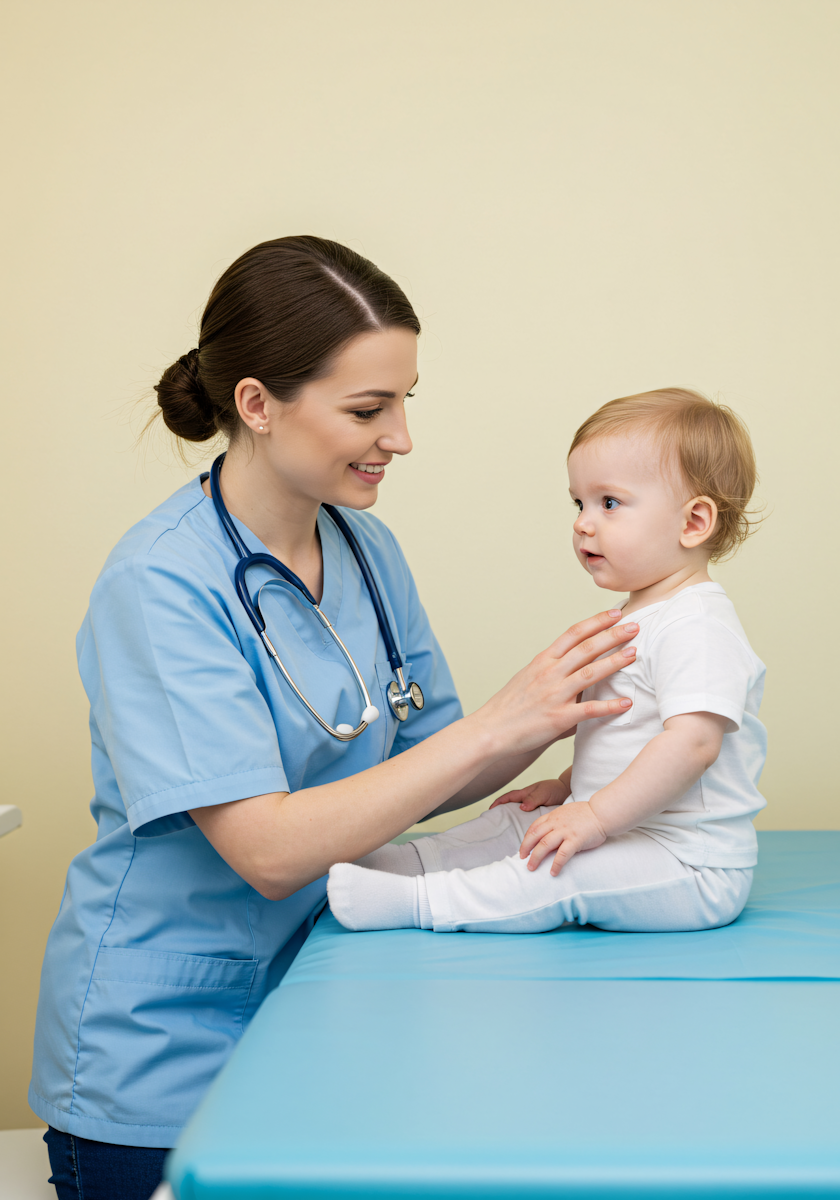
Chemotherapy
Bone marrow transplant (BMT)
Immunotherapy
Common side effects
Some changes that families have noticed during treatment include:
Anaemia
The symptoms of anaemia are paleness, dizziness, weakness and lack of energy, headache and irritab...

Nausea and vomiting
The nausea and vomiting occur soon after the chemotherapy drugs have been given and can last for s...
Diarrhoea
Diarrhoea caused by chemotherapy or radiotherapy can start within hours of receiving the treatment...

Constipation
This is caused by some chemotherapy drugs, radiation therapy, pain medication and a diet that lack...

Poor appetite and weight loss
Chemotherapy and radiotherapy may make your child feel nauseous and sick because the mucosal cells...
Weight gain
Excessive weight gain and a round ‘moon’ face are common side effects of treatment with steroid dr...

Hair loss (alopecia)
Hair loss or alopecia caused by chemotherapy and radiotherapy usually does not bother small childr...
Pain
Many parents fear seeing their child in pain, but not all cancers or cancer-related pain are sever...