

I have a child with cancer in my class/ school
- All
- helpful information for teachers
Featured Topics

What is the impact of long-term hospitalisation on children with cancer?
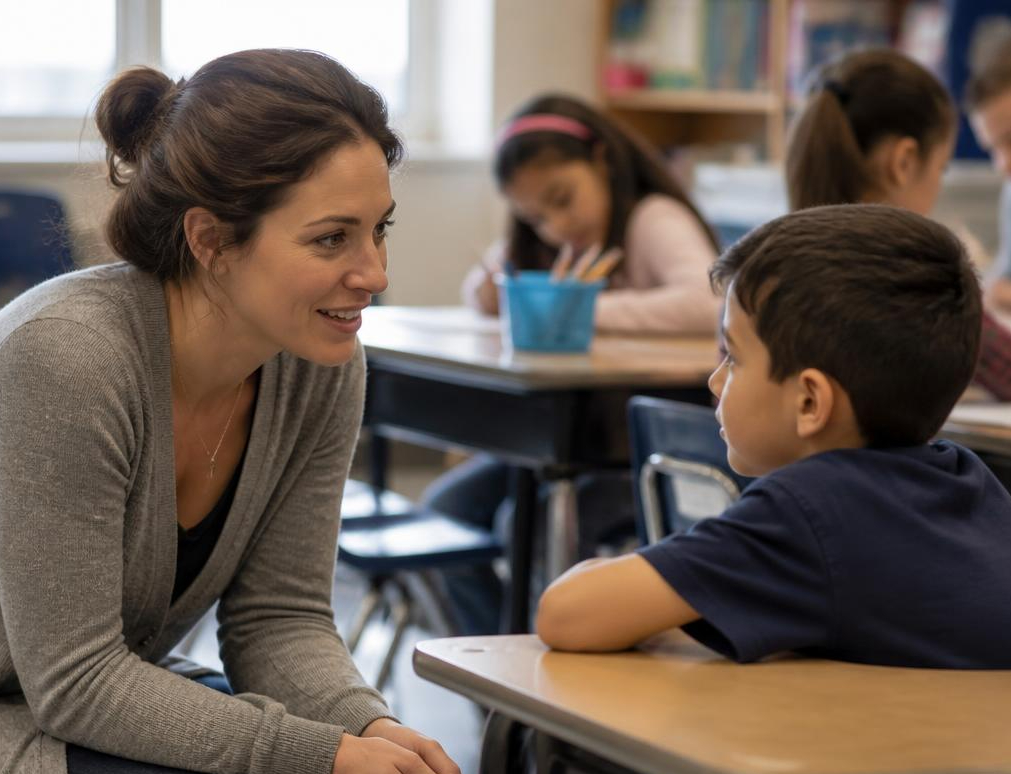
What should I be alert for and who should I contact if I see early warning signs that could indicate a serious health concern

School support during and after treatment
Supporting a student with cancer is about finding balance — between keeping things normal and making space for what they're going through. The following tips can help you create a flexible, caring classroom environment that supports your student's learning, wellbeing, and connection with their peers, both when they're in class and when treatment keeps them away.

Side effects explained for teachers
When a child in your class has cancer, understanding both the medical side effects and the social–emotional impact can help you respond with empathy and practical support. Treatment plans vary, but most children experience a combination of chemotherapy, radiation, surgery, or immunotherapy, each with its own side effects.

Helping your classroom through a cancer diagnosis
When a student in your class has cancer, you don't need to have all the answers — but a little preparation can go a long way. The following tips offer gentle, age-appropriate ways to explain what cancer is, respond to children's questions, and help the classroom remain a safe, kind, and supportive place. Whether you're having the first conversation or checking in weeks later, these ideas can help guide you.

I have a child with cancer in my class
When a child is diagnosed with cancer, it is not only a traumatic time for the teacher and the class, but it impacts the whole school and community.
It is, therefore, important that educators understand their own emotions and the nature of the illness to adequately support the child and family. Knowledge about cancer, what the school should know during and after the treatment is important to best support the family.
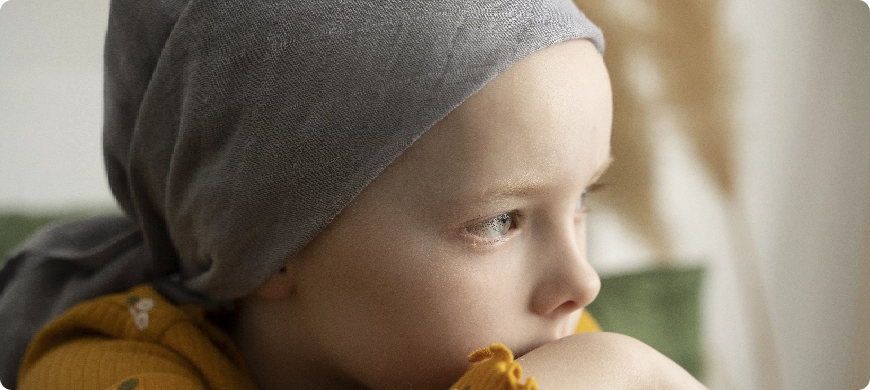
Basic information about childhood cancer
Cancer begins with something almost invisible — a single cell that loses its ability to grow in an orderly way. As that cell multiplies unchecked, it can form tumours, crowd out healthy tissue, and in some cases spread to other parts of the body.