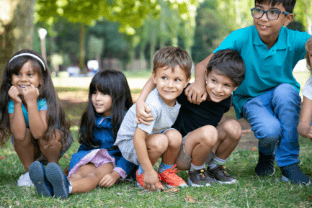
I have a child with cancer in my class
When a child is diagnosed with cancer, it is not only a traumatic time for the teacher and the class, but it impacts the whole school and community. It is, therefore, important that educators understand their own emotions and the nature of the illness to adequately support the child and family. Knowledge about cancer, what the school should know during and after the treatment is important to best support the family.
Teachers play a crucial role in helping children diagnosed with cancer to maintain a sense of normalcy and belonging. It is an unknown experience for most teachers to have a child diagnosed with cancer or a sibling of a child diagnosed with cancer in the class and special skills are needed to navigate the journey. Initially teachers might not know how to explain the disease to the child’s classmates. However, the information that teachers give to children should be positive and honest, without making promises. As cancer is a life-threatening disease, it is not known whether the child will survive or not, so the message should always have a tone of hope and inspiration.
For example, ‘One of our friends is going through a sickness called cancer. This means their body is not feeling well, and they will need extra care, rest, and help from doctors. Even though this is a tough time, we can be kind, supportive, and patient. Our friend can still smile, laugh, and enjoy school with us. You will not get cancer by playing with or sitting next to your friend. Every day, the doctors, family, and we as classmates can give hope and strength. Together, we can make sure our friend feels loved and not alone.’
Cancer is a rare and difficult illness to explain to children, but with the right support, schools can feel prepared to handle the situation with care.
For teachers, having a student in the class who is going through cancer treatment can bring up many questions — both your own and your students'. The resources and articles below can help you feel more prepared to talk to the classroom about their classmate, respond thoughtfully to questions, and understand how the situation might affect group dynamics. They also offer guidance on how the school as a whole can prepare to support the student, their family, and their peers.
Macmillan Cancer Support. (n.d.) Talking to children and teenagers about cancer.
MD Anderson Cancer Centre. (2019). How to talk to your kids about cancer.
American Cancer Society. (n.d.) Telling a child someone they love has cancer.
Cancer Council SA. (n.d.) Cancer in the school community.
Was this article helpful?
Related Articles
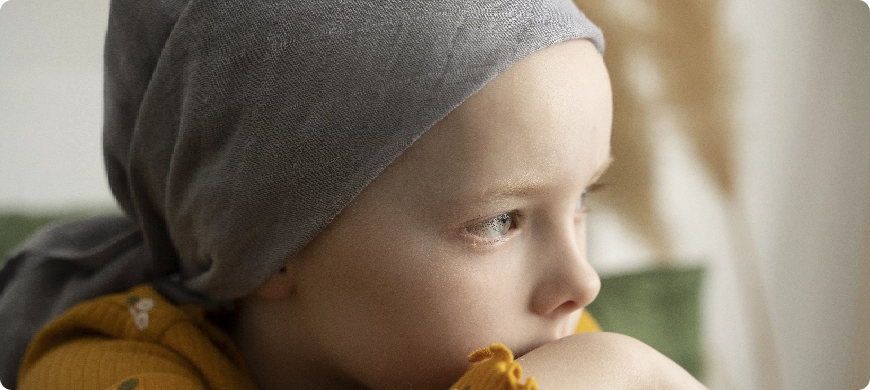
Basic information about childhood cancer
Cancer begins with something almost invisible — a single cell that loses its ability to grow in an orderly way. As that cell multiplies unchecked, it can form tumours, crowd out healthy tissue, and in some cases spread to other parts of the body.

Helping your classroom through a cancer diagnosis
When a student in your class has cancer, you don't need to have all the answers — but a little preparation can go a long way. The following tips offer gentle, age-appropriate ways to explain what cancer is, respond to children's questions, and help the classroom remain a safe, kind, and supportive place. Whether you're having the first conversation or checking in weeks later, these ideas can help guide you.
Side effects explained for teachers
When a child in your class has cancer, understanding both the medical side effects and the social–emotional impact can help you respond with empathy and practical support. Treatment plans vary, but most children experience a combination of chemotherapy, radiation, surgery, or immunotherapy, each with its own side effects.