
Preparing for treatment - Surgery
Hearing that your child needs surgery can feel overwhelming. Surgery is often an important step in diagnosis or treatment, and your care and preparation can make a real difference. This is the most direct way of dealing with a tumour and is the main treatment for localised (contained in one area), solid tumours. Surgery is often followed by chemotherapy and/or radiotherapy, to destroy any remaining cancer cells. Sometimes it is necessary to also remove surrounding tissue or nearby lymph nodes. Depending on the size and location of the tumour, the surgeon will try to remove the whole tumour. If an operation would be dangerous or disabling for the child, chemotherapy or radiation is given first, to shrink the tumour, and to make the surgery safer and more effective.
For many treatment schemes, surgery is part of a bigger journey that may include chemotherapy, radiation, or ongoing monitoring. You are not alone - your child’s healthcare team is there to guide you through each stage and the childhood cancer foundation (if there is one) has trained staff and volunteers to be with you every step of the way.
Tips for parents and caregivers:
Ask the surgical team key questions. It can help to write questions down in advance, such as: What is the goal of the surgery? (biopsy, tumour removal, port placement), how long will the operation take, what are the risks and possible side effects, how much pain should we expect afterwards, how long will my child stay in hospital, when can they return to normal activities. No question is insignificant.
Prepare your child in an age-appropriate way. Children cope much better when they know what to expect. Use simple words for e.g., “The doctor will help remove the sickness.” Reassure them they will be asleep during surgery and let them know you will be nearby when they wake up. A child life specialist, social worker or the nurses can help explain procedures gently.
Follow pre-surgery instructions carefully. The medical team working with your child will give you guidance about fasting (no food or drink before surgery), medications to stop or continue, bathing or infection-prevention steps, etc. These instructions are important for safety during anaesthesia and the surgery.
Hospitals feel unfamiliar, and you should consider packing items that bring comfort and that would help the child to feel secure. Items such as a favourite toy, blanket, book, comfortable loose pyjamas, headphones or music (if they have any) or a family photo to put next to the bed brings a sense of normality and helps children feel secure.
Stay calm during the recovery. It is normal, post anaesthesia for children to wake up groggy, upset or confused. Comfort them with a gentle touch and familiar voices. Expect your child to be clingier for a few days, be supportive, and calm. Stay with your child as long as possible and keep the conversation light for e.g. talk about pets, friends and the favourite activity planned after the recovery. Celebrate your child’s bravery with a small treat or a fun activity that helps them feel proud.
Expect emotional ups and downs. It is normal to feel fear, guilt or helplessness. You do not have to carry everything alone. Try to lean on trusted family or friends and speak to the hospital social worker or counsellor. Most paediatric oncology units are supported by childhood cancer foundations with staff and/or volunteers who have been through childhood cancer and who are willing to journey with you. It is especially important to take breaks when possible. Stay calm and be present, take a deep breath and when you feel anxious, rather step away than let your child see your panic.
Pain control is part of healing. After surgery, children may experience pain or discomfort. Ask the medical team what pain relief will be used, how to tell if pain is not controlled, what is normal versus concerning and what good pain management helps recovery. If you know what to expect and how to manage it, it will calm you and your child.
Watch for signs of infection or complications before going home and ask what symptoms require urgent medical help, such as: fever, redness, swelling, or discharge from the wound, worsening pain, trouble breathing, vomiting or poor feeding. Most importantly, trust your instincts and don’t hesitate to call the team if you are worried.
Once discharged, focus on rest and gentle movement as advised, keeping the wound clean and dry, giving medicines exactly as prescribed, attending all follow-up appointments and remember healing takes time, and progress may be gradual.
Your child needs you, but you also need support. Take care of yourself. Eat something and hydrate, take short walks or practice calming techniques and if possible, have a friend to be with you. Accept help from others and take time out without feeling guilty.
Speak openly with the medical team: ask questions and to share concerns about your child. Parents and caregivers’ wellbeing matters and when you are emotionally, psychologically and spiritually well, it will have a positive influence on your child and your family as a whole.
If you would like to read more, below is a selection of useful resources:
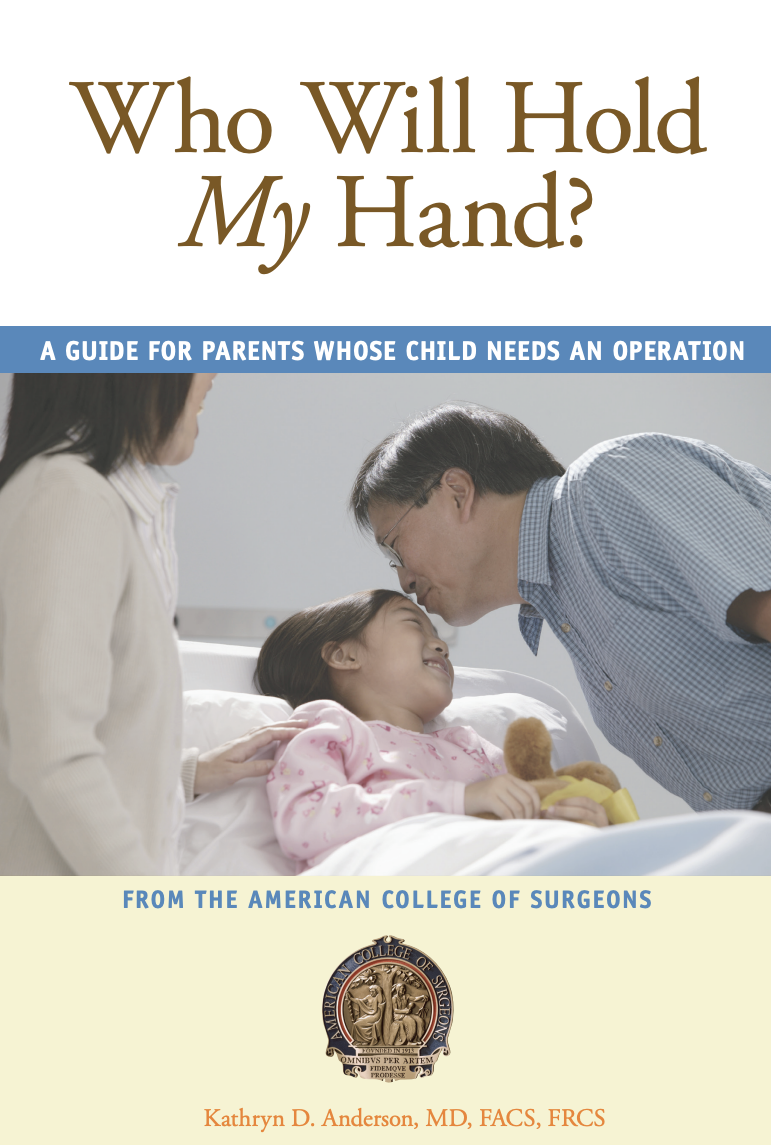 1) Kathryn D Anderson. 2009. Who will hold my hand? From the American College of surgeons.
2) St Jude Children’s Research Hospital. (n.d.). Surgery for Childhood Cancer.
3) American Cancer Society. (n.d.). How surgery is used for cancer.
4) Austin Pediatric Surgery. N.d. Preparing yourself and Family for your child’s surgery.
Was this article helpful?
100% found this helpful
Related Articles

Preparing for treatment - Chemotherapy
Chemotherapy describes the drugs used in the treatment of cancer. Drugs may be given orally, intravenously, subcutaneously, intramuscularly or intrathecally.

Preparing for treatment - Radiotherapy
Each type of cancer is different and therefore treated differently. This article tackles how a parent or caregiver can prepare for radiotherapy.

Preparing for treatment - Bone Marrow Transplant
Some children with leukaemia, certain other forms of cancer, diseases of the bone marrow that are not truly cancerous and some genetic diseases, require a bone marrow transplant as part of their treatment.