
Preparing for treatment - Chemotherapy
Chemotherapy describes the drugs used in the treatment of cancer. Drugs may be given orally, intravenously, subcutaneously, intramuscularly or intrathecally (into the spinal space or subarachnoid space which contains the cerebrospinal fluid):
Orally: taking something ‘orally’ means swallowing it.
Intravenous: medicine is administered directly into the vein, usually through a needle or catheter.
Subcutaneously: medicine is injected into the layer of fat and tissue between the skin and the muscle, where the drug can be absorbed more slowly than if injected directly into a vein or muscle.
Intramuscularly: medicine is administered directly into a muscle where it can be absorbed more quickly into the bloodstream.
Intrathecally: medicine is delivered directly into the space around the spinal cord or brain that contains the cerebrospinal fluid via a lumbar puncture.
Chemotherapy drugs circulate through the body destroying cancer cells which are rapidly dividing. However, they also damage healthy dividing cells. Usually, chemotherapy lasts a few months. For solid tumours, after each course of drugs, lasting from one to several days, there follows a rest period of 1-4 weeks; to give the body a chance to recover from the effects the drugs have had on normal cells.
Many different chemotherapy drugs are available, but every type of cancer is treated with a specific drug or combination of drugs. Chemotherapy drugs have many potential side effects, and these will be explained to you by your doctor.
Your doctor will decide on the best treatment plan (protocol) for your child's specific type of cancer after an accurate diagnosis has been made. International bodies provide guidelines and basic protocols for various cancer treatments, which are up to date with the latest findings in research and drug development.
Tips for parents and caregivers:
Listen to the medical team’s instructions and keep a written list of medications, doses, and schedules. Ask about any potential side effects and how to handle them before they happen.
Help prevent infection. Encourage regular handwashing for everyone in the home. Avoid crowded public places or people who are sick and monitor the child’s temperature daily. Report any fever immediately to your doctor.
The child’s taste can change during chemo. Give the child small, frequent, appealing meals and keep favourite snacks ready. Keep ice or ice water close by.
Hydration is essential (try water, diluted juice, or clear soups).
Manage side effects early by keeping prescribed anti-nausea medication available.
Ask about mouth care to prevent sores - use a soft toothbrush and gently rinse the mouth.
Use loose, comfortable clothing for sensitive skin.
Be honest and explain the treatments to your child in child-friendly language.
Avoid making false promises and listen to their fears.
Maintain routines and normalcy – especially when it comes to the siblings.
Be honest with the siblings and re-assure them that they are important and loved.
Follow the advice of the medical team regarding visitors and outings.
Allow people to support you and your family.
Consider joining a parent support group – remember you are not alone.
Apply self-care.
Below are some resources you might find useful:
1) American Cancer Society. n.d. Chemotherapy.
2) St Jude Children’s Research Hospital. n.d. Chemotherapy for Children with Cancer.
Was this article helpful?
Related Articles

Preparing for treatment - Radiotherapy
Each type of cancer is different and therefore treated differently. This article tackles how a parent or caregiver can prepare for radiotherapy.

Preparing for treatment - Bone Marrow Transplant
Some children with leukaemia, certain other forms of cancer, diseases of the bone marrow that are not truly cancerous and some genetic diseases, require a bone marrow transplant as part of their treatment.
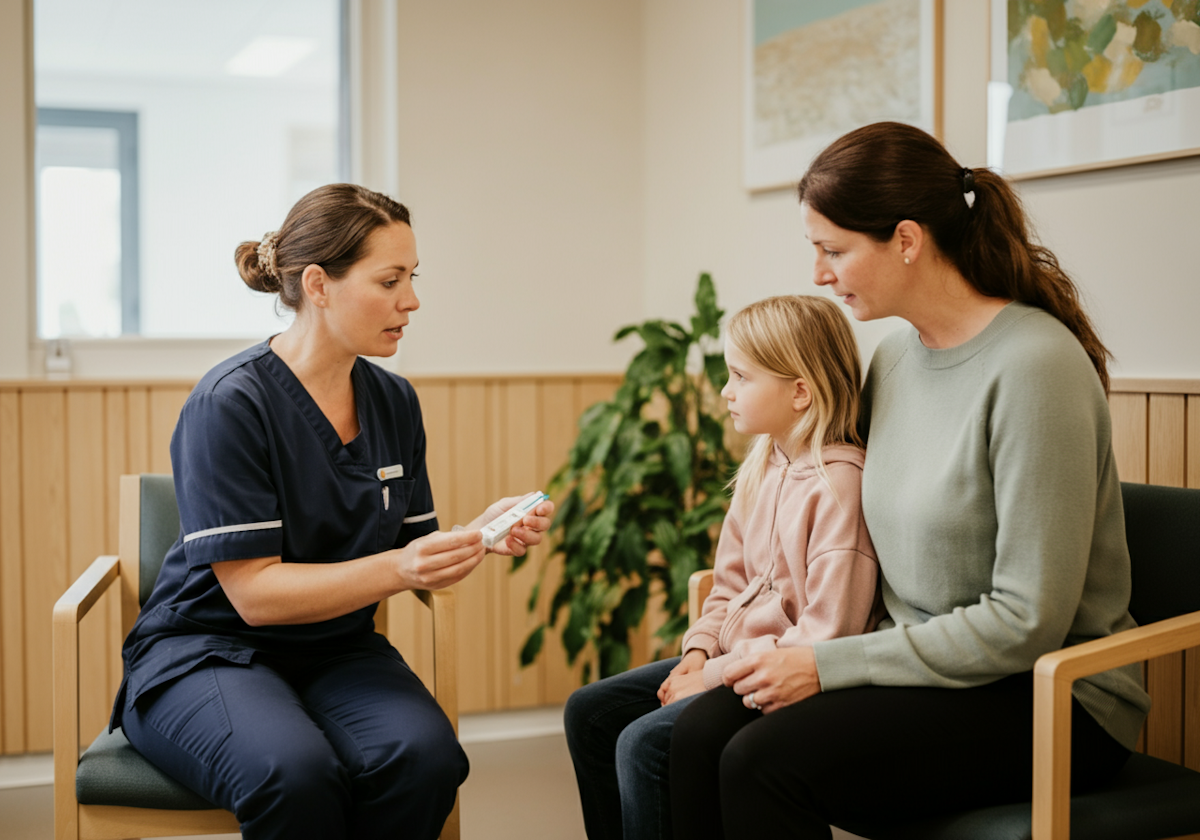
Preparing for treatment - Imunotherapy
Immunotherapy is a type of biological therapy that harnesses or modifies the body’s own immune system to prevent, control or eliminate diseases, most notably, cancer. Unlike chemotherapy or radiation which directly kill cancer cells, immunotherapy works by empowering the patient’s immune system to fight the disease, potentially offering longer-lasting targeted results.