QUICK VIEW
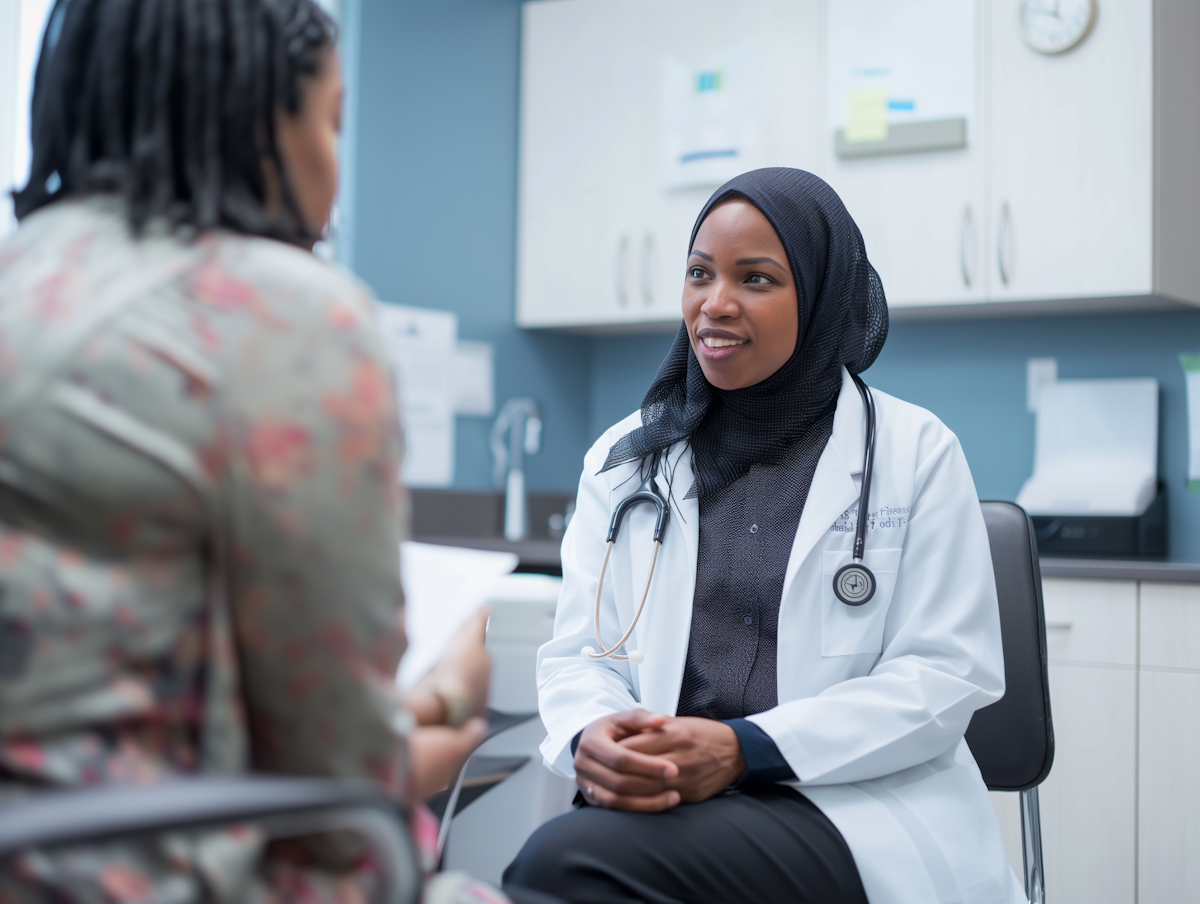
Preparing for treatment - Radiotherapy
Radiation is a treatment given by high energy X-rays that kill cancer cells in their path. This is also a treatment for a local, solid tumour. The number of treatments will vary depending on the diagnosis. Your doctor and the team of radiologists and radiotherapists will explain every aspect of the treatment to you in detail.
Before treatment begins, the radiologists make a careful plan of the area to be treated. Semi-permanent markings (tattoos) are then made on the skin, to mark the area that is to be radiated. To protect nearby organs and tissue, special shields or moulds are sometimes made. Radiotherapy treatment is completely painless, but the child must lie completely still to ensure the treatment is given accurately. The child must also be left alone in the treatment room for a few minutes. This can be quite frightening, especially to a young child, so it is important to explain beforehand that you will be looking at your child on a TV monitor. Try to be calm and reassure your child before the treatment. It might also help if you visit the radiation unit beforehand, so that your child can meet the therapist and have a look around. Encourage your child to keep a favourite soft toy in the room.
It is quite safe to be with your child immediately after treatment. Most children cope very well through radiotherapy, although there may be some side effects depending on the area being treated and the dose of radiation required. The treatment team will explain in detail how to handle side effects and take special care of the skin in the area that is treated, which becomes very sensitive. To protect the sensitive skin areas there are two important rules you must follow: Do not wash the skin in that area with soap and water. Do not use any skin creams or ointments, unless prescribed by the doctor.
LINAC (Linear Accelerator) machines are used to deliver external beam radiation therapy to children for various types of cancer, including brain tumours. These machines use high-energy X-rays or electrons to target and destroy cancer cells and are a common tool in paediatric oncology.
Brachytherapy can be a valuable treatment option for some paediatric cancers, particularly for localised tumours. It involves placing radioactive sources inside or near the tumour, allowing for a high dose of radiation to the targeted area while minimizing exposure to surrounding healthy tissues. This can be advantageous in reducing long-term side effects like growth retardation or the development of secondary tumours, which can sometimes occur with external beam radiation.
Tips for parents and caregivers:
If possible, visit the radiation centre with your child prior to the first treatment so you and your child will know what to expect. Some centres will let the child “ride” on the table and feel the laser beams so it will not be scary.
Review the radiation therapy plan with your doctor, including all potential side effects. Don’t be afraid to ask questions.
Discuss what can be done to prevent or treat side effects and understand the tests that will be done to monitor side effects.
Remember that you are the expert on your child. Notify the healthcare team of any changes you notice or concerns you may have.
To protect the sensitive skin areas there are two important rules you must follow. Do not wash the skin in that area with soap and water and do not use any skin creams or ointments, unless prescribed by the doctor.
If you would like to read more, below is a selection of useful resources:
1)  Hygeia Hospital. n.d. Guide to Radiation therapy for parents and children.
2) Children’s Hospital Los Angeles. 2025. Best way to prepare for your child’s chemotherapy, radiation treatment.
3) Orfit. n.d. Tips for Pediatric Radiation Therapy.
4) The Sydney Children’s Hospitals Network. n.d. Radiation Therapy Factsheet.
Was this article helpful?
Related Articles
Preparing for treatment - Bone Marrow Transplant
Some children with leukaemia, certain other forms of cancer, diseases of the bone marrow that are not truly cancerous and some genetic diseases, require a bone marrow transplant as part of their treatment.
Preparing for treatment - Chemotherapy
Chemotherapy describes the drugs used in the treatment of cancer. Drugs may be given orally, intravenously, subcutaneously, intramuscularly or intrathecally.
Preparing for treatment - Imunotherapy
Immunotherapy is a type of biological therapy that harnesses or modifies the body’s own immune system to prevent, control or eliminate diseases, most notably, cancer. Unlike chemotherapy or radiation which directly kill cancer cells, immunotherapy works by empowering the patient’s immune system to fight the disease, potentially offering longer-lasting targeted results.