What is the impact of long-term hospitalisation on children with cancer?
Academic performance may be affected by a diagnosis of a brain tumour or leukaemia, the severity of the disease, and treatments such as surgery, chemotherapy, or radiation involving the central nervous system (brain and spinal cord). Cancer may be diagnosed before a child has mastered basic academic skills. In addition, persistent fatigue, reduced energy levels, and frequent school absences can negatively affect the child's educational progress.
Children who receive treatment for cancer affecting the central nervous system may experience difficulties in several areas, including the speed and quality of cognitive information processing, attention and concentration, memory and retrieval of information, abstract reasoning, visual-spatial abilities, planning and organisational skills, and stamina.
Treatment for cancer of the central nervous system may, in some cases, result in brain injury or long-term changes to fundamental cognitive processes. These effects may develop gradually over several years following treatment and can interfere with learning and expected academic achievement. Such difficulties are not always immediately visible but may contribute to poor educational performance or reduced academic performance.
As a result, the child may require specialised or additional educational support services. Neurological impairments may also manifest as emotional or psychological difficulties that further affect learning and overall functioning.
Helpful information for teachers
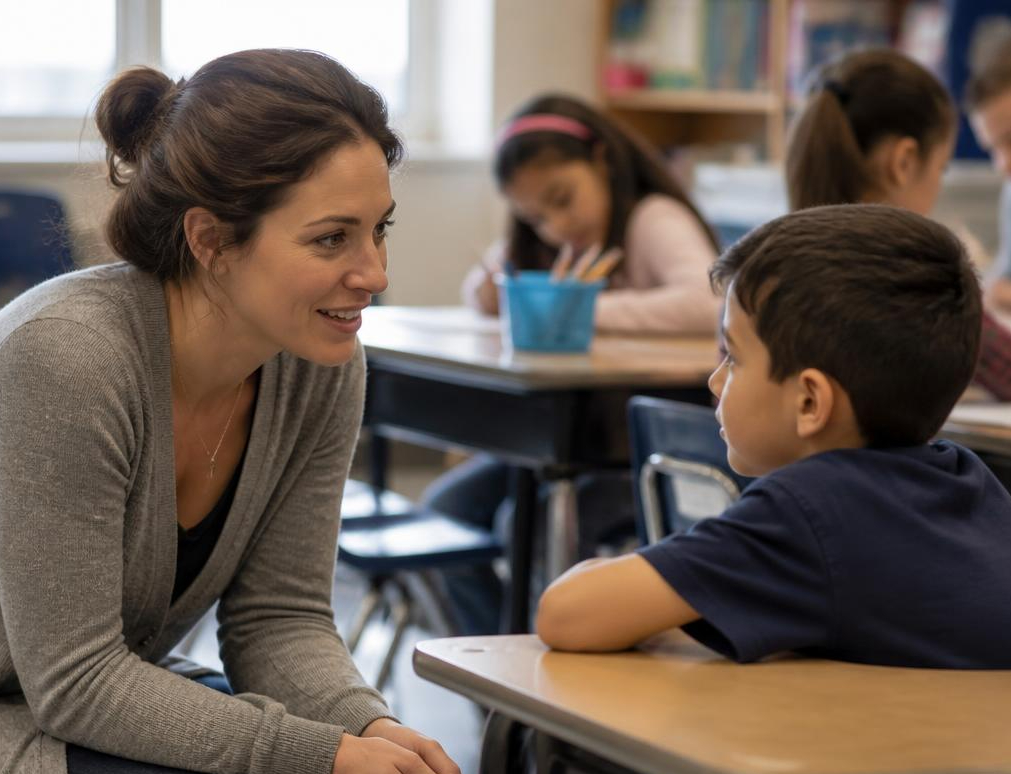
When a teacher becomes aware that a child diagnosed with cancer is experiencing educational difficulties related to long-term hospitalisation, treatment, or its effects, the next step is typically to initiate a collaborative support process.
When a teacher identifies concerns regarding the impact of cancer, treatment, or prolonged hospitalisation on a learner's academic performance, attendance, behaviour, or emotional well-being, the teacher should document these concerns and discuss them with the school's support structures.
The teacher should contact the school's learner support team, school counsellor, educational psychologist, or designated support coordinator, depending on the resources available within the school. With parental consent, collaboration with the child's parents or caregivers and the treating medical team may be necessary to better understand the learner's needs and the potential effects of treatment on learning.
A multidisciplinary approach is recommended to identify appropriate accommodations and support strategies. These may include adjustments to academic expectations, provision of catch-up work, flexible attendance arrangements, classroom accommodations, and referral for further educational or psychological assessment where indicated.
Ongoing communication between the school, family, and healthcare professionals is important to monitor the learner's progress and ensure that support remains responsive to changing needs.
Read more
- Alpamis Bakhtiyarovich Amangeldiev. July 2025. The Role Of The Teacher In The Psychological And Pedagogical Support Of Children Undergoing Long-Term Hospitalization. Frontline Journals. https://www.frontlinejournals.org/journals/index.php/fsshj/article/view/777/741
- A school’s guide to supporting a pupil with cancer. 2023. CCLG. https://www.cclg.org.uk/sites/default/files/2025-02/cclg-supporting-a-pupil-with-cancer-2023.pdf
- Marilena Di Padoa, et.al. 2004. School in the hospital, the key role of an educating community. Global Pediatrics. https://www.sciencedirect.com/science/article/pii/S2667009724000721
- Back to School: top tips for a child with cancer. n.d. Discovery. https://www.discovery.co.za/corporate/understand-cancer-back-to-school?msockid=274a44fdc31d6119264451b4c2836000
- American Cancer Society. n.d. Long-term and Late Effects of Childhood Cancer Treatment. https://www.cancer.org/content/dam/CRC/PDF/Public/7006.00.pdf
Was this article helpful?
Related Articles

Side effects explained for teachers
When a child in your class has cancer, understanding both the medical side effects and the social–emotional impact can help you respond with empathy and practical support. Treatment plans vary, but most children experience a combination of chemotherapy, radiation, surgery, or immunotherapy, each with its own side effects.