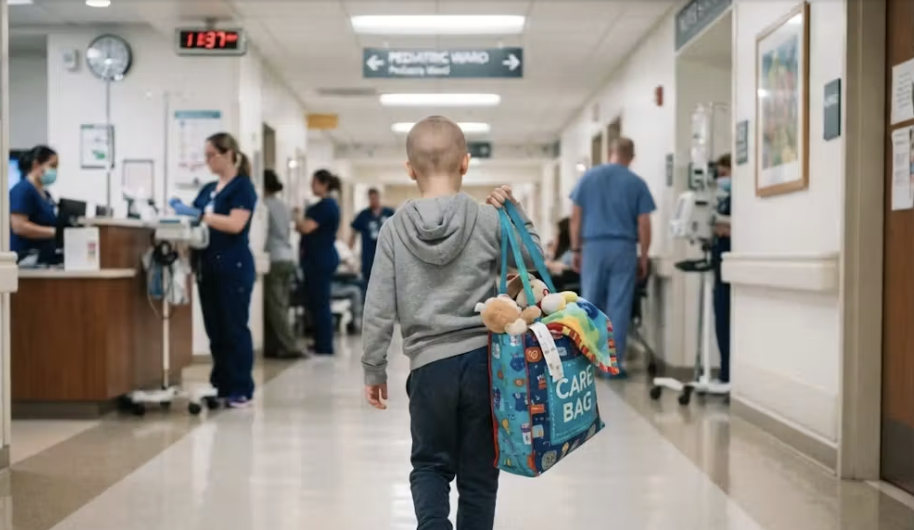
Carebags: a first step of support for children with cancer and their families
A carebag (also called a care pack or welcome bag) is a structured support intervention provided to children diagnosed with cancer and their caregivers at the start of treatment. It typically includes essential personal items, comfort objects, and informational resources. Carebags address immediate practical needs, reduce anxiety, and help families transition into the treatment environment with a sense of support and dignity. It is often the first tangible support intervention a family receives. It serves both practical and emotional purposes, helping families cope with the sudden transition into cancer treatment.
Why offer this support?
Families often arrive at hospital unprepared. A carebag provides basic toiletries, clothing essentials, and items of practical use for hospital stays. Soft toys, blankets, or comforting objects help reduce fear and anxiety and make the hospital or unfamiliar environment feel less intimidating.
Carebags often contain information about the new childhood cancer journey and orientation information about the childhood cancer foundation, charity or NGO, the hospital environment, routines, and basic treatment. This information helps families understand what lies ahead.
A carebag provides practical and emotional support which shows the families that they are not alone and that the support organisation understands what they are going through. This builds trust between the family and the support organisation and gives the families a sense of care and belonging.
Who will benefit from this support?
Some support organisations offer the support to the child or adolescent and young adult only, while others give a carebag to both the child and parent / caregivers. Depending on the socio-economic needs of the beneficiaries, the support organisation could refill the bag on recommendation of the social or social auxiliary worker.
What should we know to run this programme successfully?
Research on childhood cancer support shows families experience high emotional distress at diagnosis, financial and logistical strain, and a lack of preparedness for long hospital stays. Carebags help by meeting immediate needs, reducing initial stress and uncertainty and supporting early engagement with care systems. Carebags are commonly provided by childhood cancer foundations, hospitals or paediatric oncology wards, accommodation facilities, NGOs, and donor-funded programmes.
A branded carebag is more than a collection of essential items; it is a structured psychosocial intervention that provides immediate practical support, emotional reassurance, and a clear connection to a trusted support system. Branded carebags enhance dignity, improve information retention, strengthen programme visibility, and offer a tangible, scalable intervention for donor engagement and impact reporting.
Standardisation and quality of a carebag ensures consistency when every family receives the same level of care and the same information.
Typical content of a carebag for a child
- A soft toy or comfort item, a blanket or beanie (important during chemo), activity items (colouring books, crayons, puzzles) or age-appropriate toys or books.
- Personal care items are a soft toothbrush and a mild toothpaste, soap, shampoo, lotion/lip balm (important for treatment side effects), tissues and or wipes.
- Clothing such as pyjamas, socks (soft or non-slip), underwear, and slippers.
- Nutrition information and practical items such as a water bottle and a lunch container.
Typical contents of a carebag for a parent / caregiver
- A welcome letter with contact numbers.
- An information pack about the support organisation and the programmes they offer.
- Information about the hospital.
- If the support organisation offers a home-away-from-home programme, information about this and other support services.
- A parent handbook or a link or QR code to a helpful app.
- Psychosocial support info.
- A notebook and pen.
- Basic toiletries.
- Sometimes vouchers for food, transport or data could be helpful in the first few days of the new childhood cancer journey.
Read more
- IR Jooste, et al. 2024. The caregiver’s experience of childhood cancer treatment in South Africa. Journal of Pharmaceutical Policy and Practice. https://pmc.ncbi.nlm.nih.gov/articles/PMC10906129/
- Abby R Rosenberg, et al. 2013. Promoting Resilience among Parents and Caregivers of Children with Cancer. Journal of Palliative Care Medicine. https://pmc.ncbi.nlm.nih.gov/articles/PMC3719479/
- CHOC Childhood Cancer Foundation SA. n.d. Carebags a basic necessity. https://choc.org.za/choc-practical-support-programme/
- The Cancer Connection. n.d. Care packs. https://thecancerconnection.co.za/care-packs/
- Roc Solid Foundation. n.d. Ready Bags. https://rocsolidfoundation.org/our-programs/ready-bags/
Was this article helpful?
Related Articles

What is a patient support organisation?
One of the guiding principles of all those involved in childhood cancer is that the patients and their families should never feel alone in their difficult times. In 2000, Mark Chesler and Sara Eldridge launched the concept ‘You are not alone’. Internationally this term has been used by childhood cancer foundations to make parents, survivors, patients and their dear ones feel loved and cared for.

Why do we need to start a childhood cancer foundation?
Many parents who have been through the childhood cancer journey have a need to give back either to honour their child, to support other families facing the same journey, to address the unmet needs in the health system, to raise awareness about childhood cancer, to raise funds for treatment or supportive care programmes, to provide sense of purpose and healing, to build a supportive community, to advocate for the children’s rights, to fill the gap left by their own experience or the contribute to research and improved outcomes.
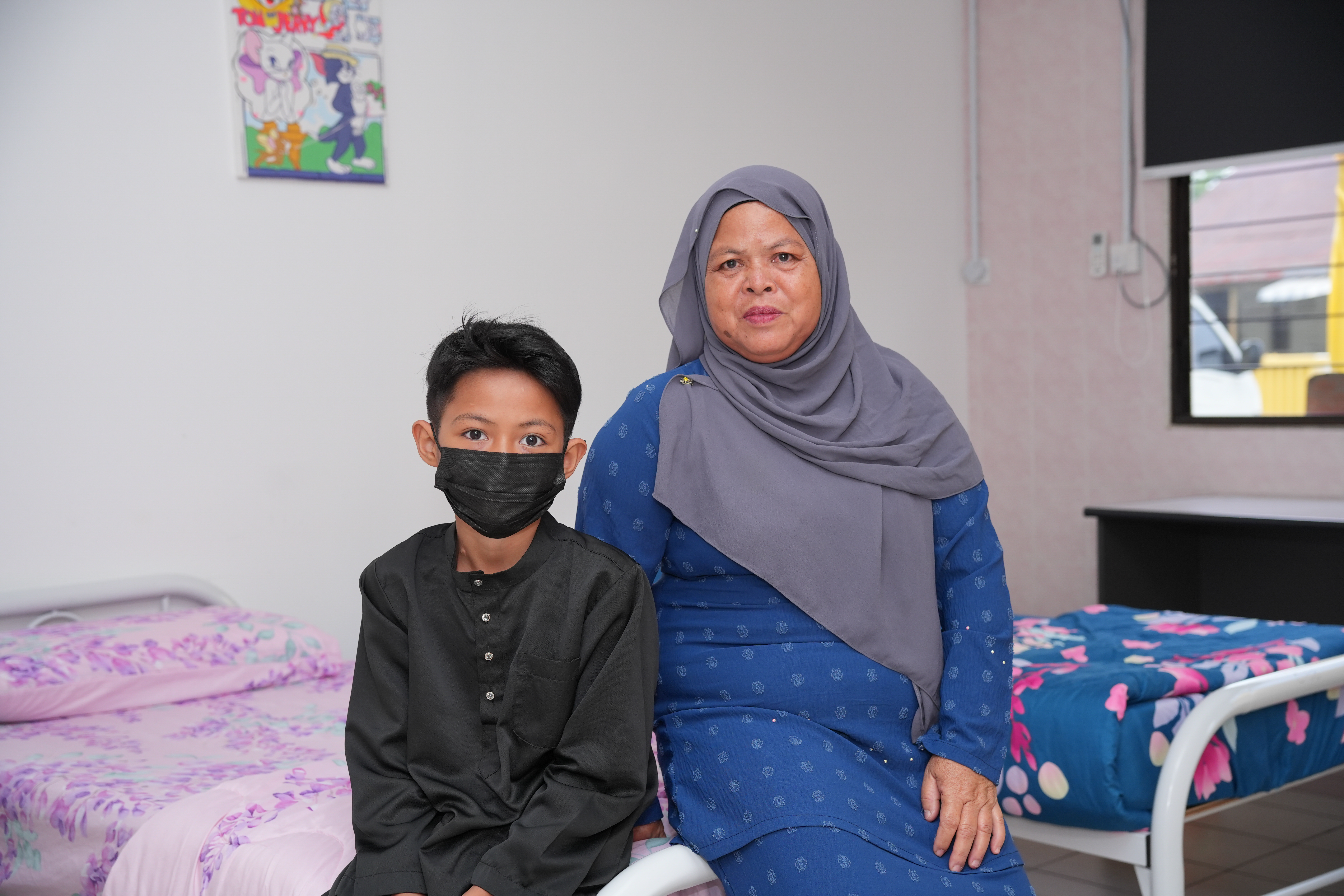
I want to start a childhood cancer foundation
Many of Childhood Cancer International (CCI) members established sustainable and successful foundations. You are welcome to reach out to CCI for mentorship and knowledge sharing. You don’t need to reinvent the wheel. Remember, you are not alone and CCI is there to support and guide you.