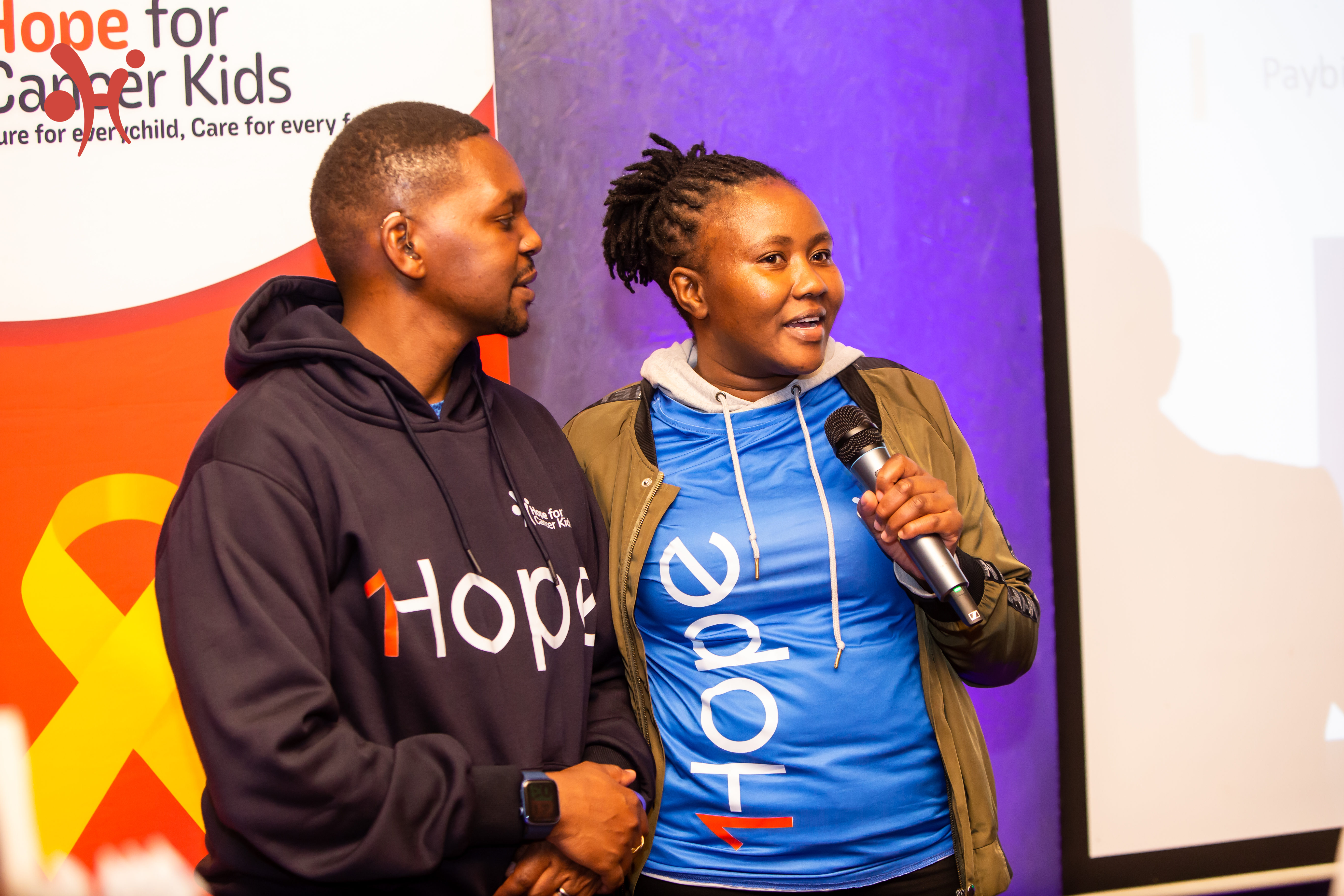
What is a patient support organisation?
One of the guiding principles of all those involved in childhood cancer is that the patients and their families should never feel alone in their difficult times. In 2000, Mark Chesler and Sara Eldridge launched the concept ‘You are not alone’. Internationally this term has been used by childhood cancer foundations to make parents, survivors, patients and their dear ones feel loved and cared for.
A support group is about parents supporting parents, whereas a patient support organisation is a foundation that provides broader services, advocacy, fundraising, and structured support for families.
Childhood Cancer Support Groups
A support group exists primarily to provide emotional, social, and peer support to parents whose children have been diagnosed with cancer. Usually, parents and caregivers who serve on such a support group are currently or have been previously affected by childhood cancer.
Support groups throughout the world are made by families and survivors who have been on a childhood cancer journey and provide support programmes for others to be able to cope. These groups offer safety, guidance, and psychological tools, including day-to-day companionship and lived experiences.
A formal professional support group is a structured group facilitated by trained professionals such as social workers, psychologists, nurses, or counselors. The purpose is to provide therapeutic or psycho-educational support, to help parents develop healthy coping strategies and emotional resilience and to ensure safe, guided and professionally monitored support.
The key features of formal professional support groups:
- Led by professionals with clinical skills and training in group facilitation.
- Structured format: planned sessions, agendas, goals, and therapeutic techniques.
- Confidentiality protocols and ethical guidelines strictly followed.
- Screening and referral processes may be used to enrol participants.
- Evidence-based interventions: psychoeducation, coping strategies, stress-management tools.
- Stable schedule: regular meeting times, consistent group membership.
- Record-keeping: attendance, progress notes (depending on the organisation).
- Possible integration with clinical care—professionals can connect parents with additional support services.
There are also informal parent support groups created and run by parents or caregivers themselves, without professional facilitation. The purpose is to provide empathy, understanding, practical tips and shared experiences, to reduce isolation by connecting with others going through a similar journey and to build a sense of community and belonging.
The key features of informal parent support groups:
- Led by peers — typically other parents of children with cancer.
- Flexible and unstructured: topics arise spontaneously; meetings may be casual (e.g., WhatsApp groups, coffee gatherings).
- Peer-to-peer sharing: reliance on lived experience rather than formal training.
- Emotional validation and companionship are prioritised.
- Less formal confidentiality — depends on trust rather than professional ethics.
- No clinical record-keeping or formal referral systems.
- Easily accessible: often quick to join and community driven.
Was this article helpful?
Related Articles

Why do we need to start a childhood cancer foundation?
Many parents who have been through the childhood cancer journey have a need to give back either to honour their child, to support other families facing the same journey, to address the unmet needs in the health system, to raise awareness about childhood cancer, to raise funds for treatment or supportive care programmes, to provide sense of purpose and healing, to build a supportive community, to advocate for the children’s rights, to fill the gap left by their own experience or the contribute to research and improved outcomes.
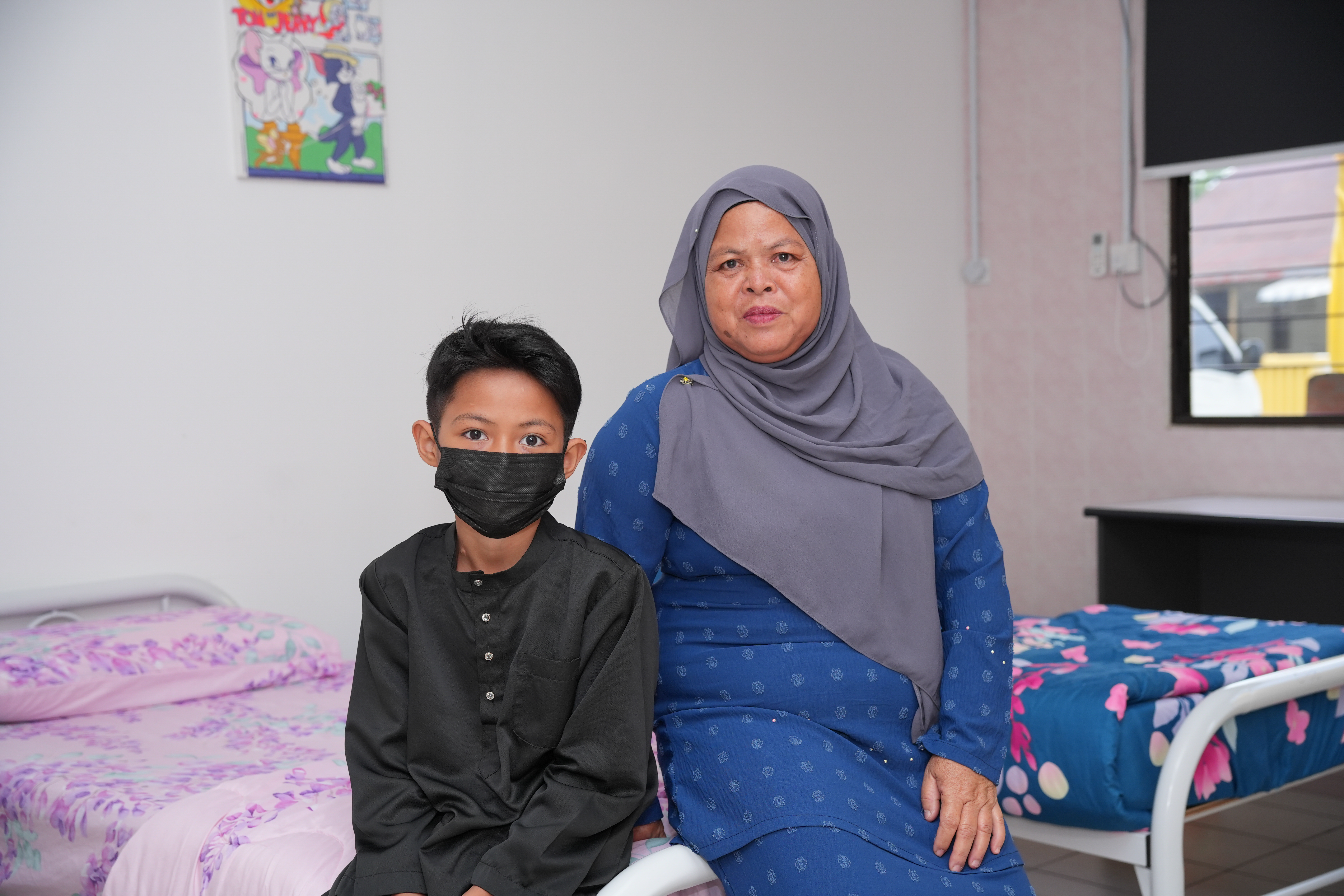
I want to start a childhood cancer foundation
Many of Childhood Cancer International (CCI) members established sustainable and successful foundations. You are welcome to reach out to CCI for mentorship and knowledge sharing. You don’t need to reinvent the wheel. Remember, you are not alone and CCI is there to support and guide you.
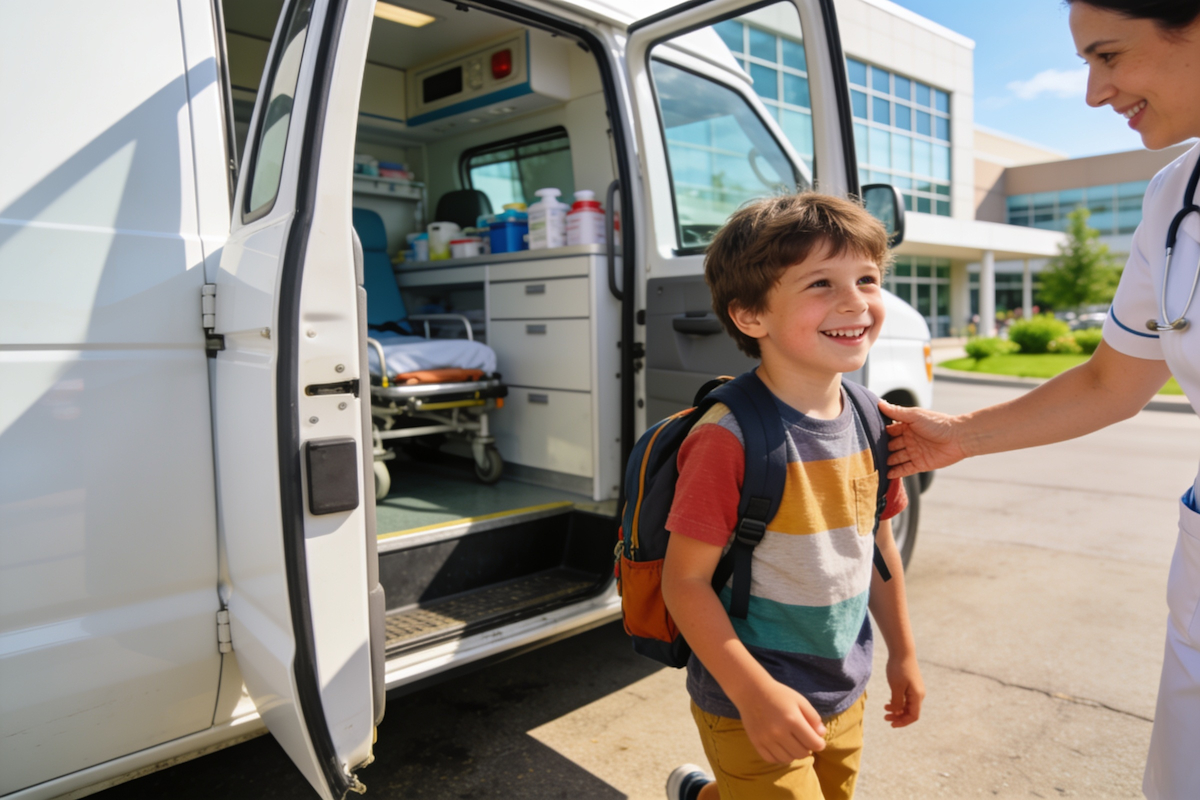
Why offer transport assistance support?
TRANSPORT ASSISTANCE
Transport assistance for paediatric oncology patients is not just a logistical service—it is a critical enabler of survival, treatment success, and family well-being. Children with cancer require frequent, time-sensitive access to specialised care, and without reliable transport, outcomes can be severely compromised.