QUICK VIEW
Life after cancer – what should I know and how do I cope with it?
Life is about choices. You can decide to be positive or negative, or you could lean on the strengths you discovered during your cancer journey. Your positive lived experience could bring hope to newly diagnosed children and their families. It is not an easy journey, and coping is different for everyone.
It is important to be honest with yourself and to acknowledge your journey and accept that it is normal to have mixed emotions. Give yourself permission to feel pride in your resilience, but also to grieve the losses or struggles you experienced.
To maintain good health and quality of life you need to take care of yourself. Focus on healthy habits such as balanced nutrition, regular activity, enough sleep, avoid smoking, alcohol and drug use that could lead to abuse. Go for regular follow-up check-ups as late side effects may appear years later. Know what cancer you had and what treatment you received so that you can ask the right questions and to make informed decisions.
A counsellor or a therapist or being part of a support group might help with your mental health and well-being. Talk to a professional who you can trust when you experience feelings of anxiety, depression, or post-traumatic stress disorder (PTSD - a mental condition caused by the experience of cancer and its treatment. Symptoms may include flashbacks, nightmares, severe anxiety and uncontrollable thoughts about the experience that you went thought).
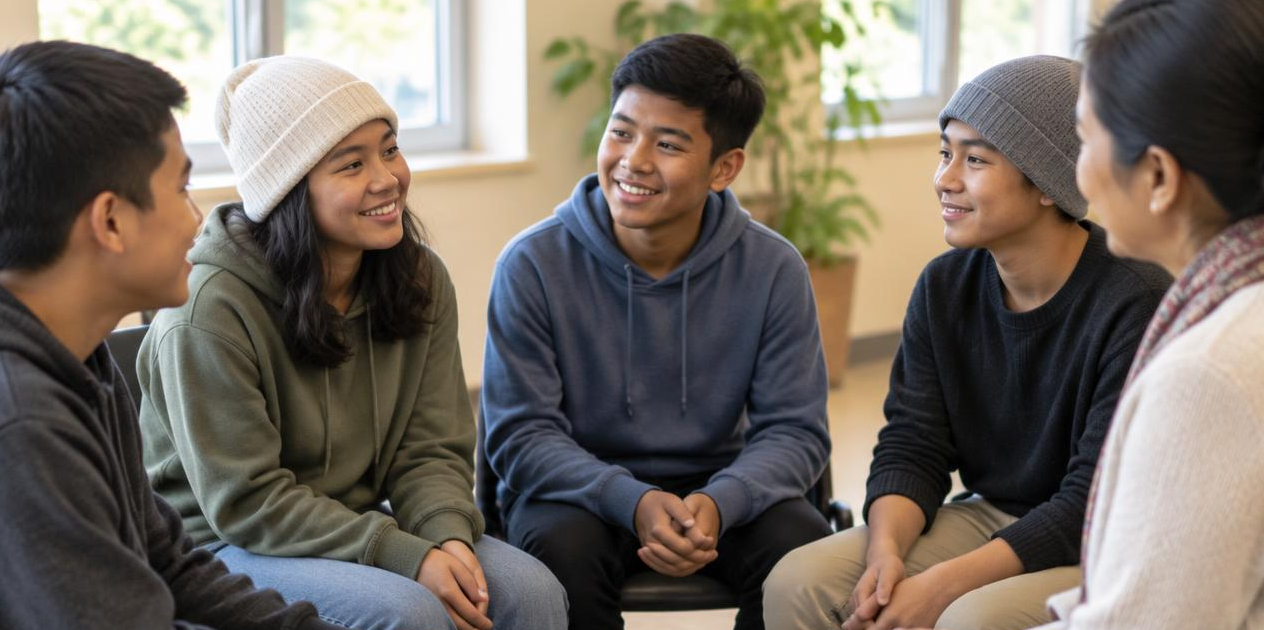
You may feel “different” from peers because of scars, physical changes, or missing out on childhood experiences. Open, honest conversations with trusted friends or family can reduce feelings of isolation. To build confidence may take time, so patience is required.
Be realistic and plan for the future. Be kind to yourself when your journey might not be the same as others’ but think about your education, career and relationships. If fertility, finances, or long-term health is a concern, seek guidance from specialists early and be honest with your special friend before getting into a long-term relationship.
‘Childhood, Adolescents and Young Adult (CAYA) cancer survivors need life-long, person-centred care – not just to survive, but to thrive.’ (EU-CAYAS-NET)
There are many great resources available for survivors to check; here's a collection we like:
1) European Network of Youth Cancer Survivors. 2025. Brighter days ahead. Short positive messages for cancer patients.
2) The Children & Young People’s Cancer Association. (CCLG). (n.d.). Life after childhood cancer - what issues do survivors have to manage?
3) Stephen G. Cancer Foundation (SGCF). 2025. Elephants and Tea Wellness.
Was this article helpful?
Related Articles

Long-term side-effects of childhood cancer survivors
Long-term side effects in childhood cancer survivors vary widely depending on the type of cancer, the treatments used (chemotherapy, radiation, surgery, bone marrow transplant), and the child’s age at diagnosis. These side effects can appear months, years, or even decades later, and they’re often grouped into physical, cognitive, emotional and social impacts.
My voice matters
There have been studies that indicate that many survivors have emerged from their illness with a positive attitude to life and have been strengthened by the experience.