I face physical challenges: how do I adapt to the new life-style changes?
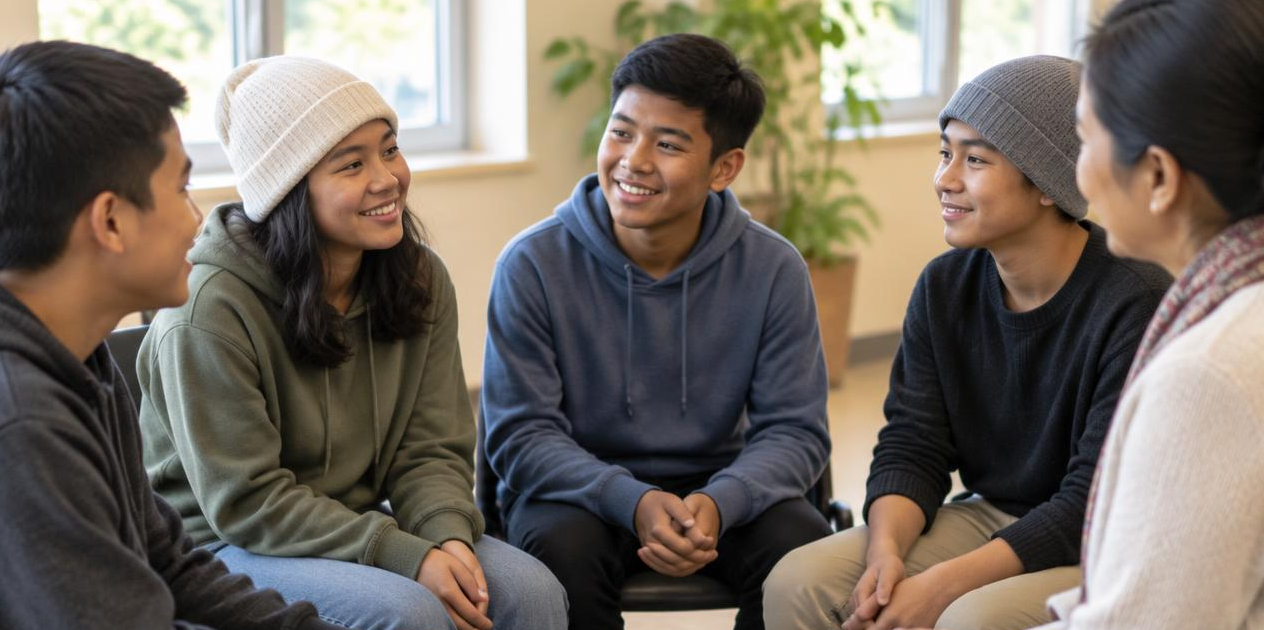
You are not alone. Many childhood cancer survivors share similar feelings and experiences. Joining a support group can help you connect with others, share your journey, and feel understood. If there is not a group in your country, consider joining one online. Celebrate small achievements, believe in yourself, and do not hesitate to ask questions or seek help when you need it. Here are some physical challenges you may experience and ways to manage them.
Growth and development
Some cancer treatments may affect growth and development. For example, radiation to the brain or near growth plates may slow growth, delay puberty, or affect adult height.
How to deal with it:
- Have regular check-ups to monitor growth and hormone levels.
- Eat a healthy, balanced diet and stay physically active to support strong bones and muscles.
- Talk to your doctor if puberty is delayed or to discuss whether hormone or growth hormone therapy may be appropriate.
Weight changes
Some medicines, such as hormone replacement therapy or steroids, may affect your appetite. As a result, you may gain weight more easily, while others may find it difficult to gain or maintain a healthy weight.
How to deal with it:
- Ask a dietitian to help you develop a healthy eating plan that supports you in reaching and maintaining a healthy weight, whether your goal is to lose or gain weight.
- While taking care of your health, it is equally important to accept and appreciate your body for all it has been through.
Energy and fatigue
Lengthy periods of illness and treatment may lead to muscle weakness, reduced stamina, or changes in balance and coordination.
How to deal with it:
- Find a walking or exercise partner to help you stay motivated and active.
- Balance rest with regular light physical activity.
- Work with a physiotherapist to rebuild strength, stamina, and coordination.
- Break study sessions and assignments into smaller, manageable tasks.
- Get enough rest and maintain good sleep habits.
Scars and body changes due to surgery
Some treatment requires surgery which might leave scars or limb changes such as amputations or muscle loss. This treatment was needed to save your life; however, it may affect how you see your body and how you see yourself. You also may have to make important life-style changes and choices.
How to deal with it:
- Talk to a counsellor, therapist, or psychologist if you are struggling with body image or self-confidence.
- Join a childhood cancer survivor support group to connect with others who understand your experience.
- Work with a physiotherapist to improve your strength, mobility, and independence.
- Ask your doctor whether scar-reducing creams or silicone sheets are suitable and safe for you.
Changes in hair or skin
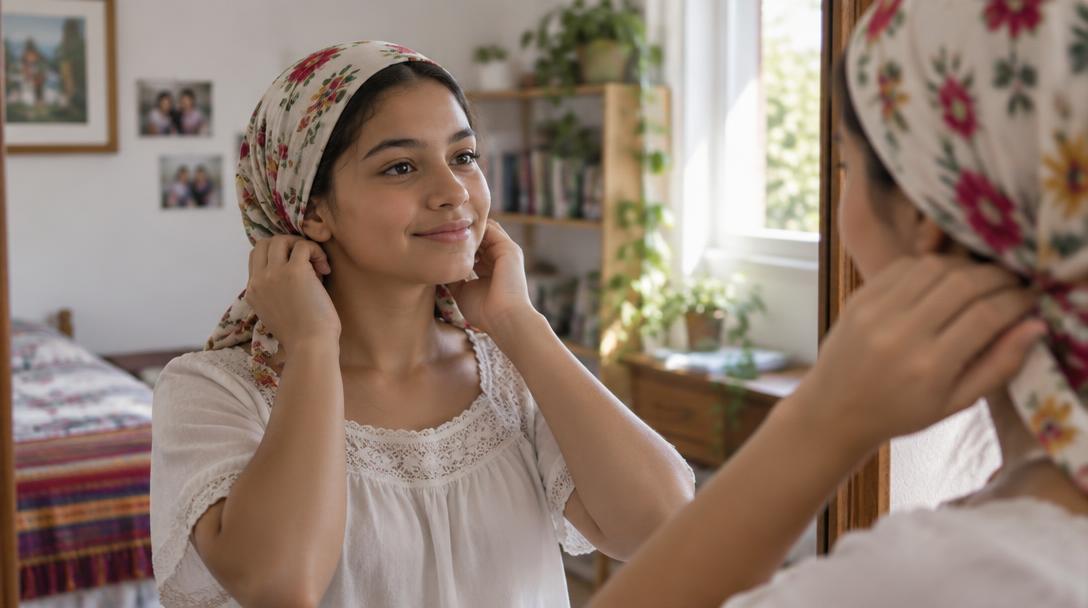
Chemotherapy and radiation therapy can cause physical changes such as hair thinning or hair loss, dry skin, and changes in skin colour (pigmentation). These changes may be temporary or long-lasting, depending on the type of treatment received. While they can affect a person's appearance and self-confidence, there are ways to manage these side effects and support emotional well-being.
How to deal with it:
- Use gentle, fragrance-free hair and skin care products to help protect sensitive skin and scalp.
- Wear hats, scarves, caps, or wigs if they help you feel more comfortable and confident.
- Taking part in physical activities, sports, creative arts, hobbies, or other enjoyable activities can help improve self-esteem, confidence, and body image.
- Remember that your appearance does not define who you are. Be patient with yourself as your body heals, and seek support from family, friends, or a counsellor if you are struggling with changes to your appearance.
Heart, lung, and organ function changes
Some chemotherapy medicines and radiation therapy can affect how your heart, lungs, kidneys, or liver work. These effects may happen during treatment or develop months or even years later. Your healthcare team will monitor your health with regular check-ups and tests to detect any changes early. Tell your doctor if you experience symptoms such as shortness of breath, chest pain, swelling of the feet or legs, a persistent cough, yellowing of the skin or eyes, dark urine, or changes in urination. Early detection and treatment can help prevent or reduce long-term complications.
How to deal with it:
- Attend your follow-up appointments and have regular check-ups.
- Report any new symptoms to your doctor, such as shortness of breath, chest pain, swelling, or changes in urination.
- Eat a healthy diet, stay active, and drink enough water.
- Avoid smoking and limit alcohol.
- Take medicines only as prescribed and check with your doctor before using supplements or over-the-counter medicines.
Dental and bone health issues
Radiation therapy and certain cancer treatments can weaken bones, affect teeth and gums, or cause problems with jaw growth and development. These effects may occur during treatment or develop later, making regular dental care and monitoring important.
How to deal with it:
- Have regular dental check-ups and maintain good daily oral hygiene.
- Speak to your doctor about supplements that may help strengthen your teeth and bones.
- Do regular weight-bearing exercise and consult a biokineticist to help improve bone strength and physical function.
Sensory changes
Some cancer treatments may affect your hearing or vision. These changes can occur during treatment or develop later and may be temporary or permanent. Early assessment and treatment can help manage these effects and improve your quality of life.
How to deal with it:
- Have regular hearing and vision check-ups.
- Use glasses, hearing aids or other assistive devices if recommended.
- Contact organisations that support people who are blind or deaf for practical guidance, rehabilitation, and support.
Read more
- European Network of Youth Cancer Survivors. n.d. Late Effects & Long-Term Follow-Up Care. https://ccieurope.eu/eu-cayas-net/#lateeffects
- Children’s Cancer Research Fund. 2022. Caring for childhood cancer survivors after treatment (Children’s Cancer Research Fund). https://childrenscancer.org/caring-for-childhood-cancer-survivors-after-treatment/
- National Cancer Institute. Care for Childhood Cancer Survivors (National Cancer Institute) https://www.cancer.gov/about-cancer/coping/survivorship/child-care
- American Cancer Society. n.d. Long-term and Late Effects of Childhood Cancer Treatment. https://www.cancer.org/content/dam/CRC/PDF/Public/7006.00.pdf
Was this article helpful?
Related Articles